EZ Battery Reconditioning Reviews
The Simple Method People Are Using to Recondition Batteries and Save Hundreds Each Year
You can learn an easy, step-by-step method to know battery reconditioning skill. Save money and even earn extra income.
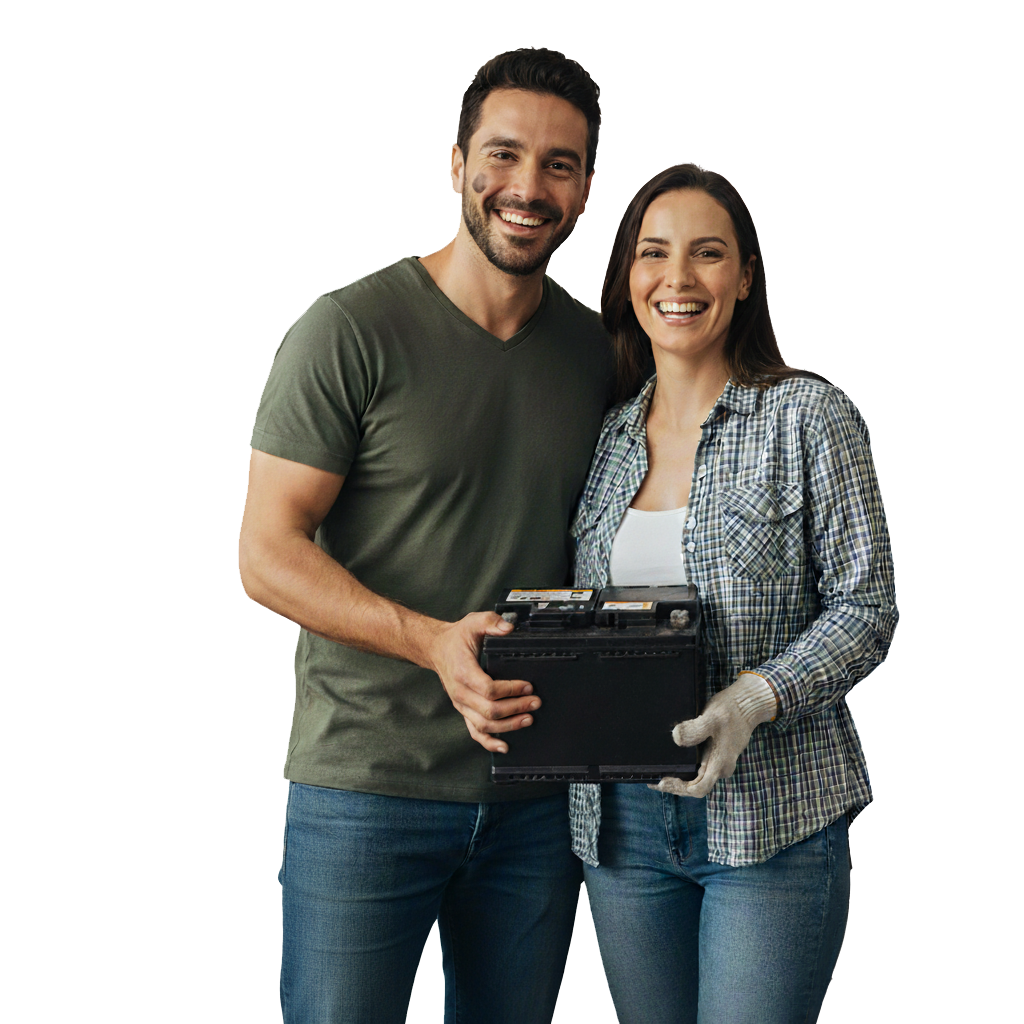
A simple and truthful review of ez battery reconditining
Our mission is to provide transparent, research-based insights and practical guides to help you make informed decisions about energy-saving and battery-reconditioning solutions. Does it actually work? Let’s see:
The surprise bill that started the search for a better solution - the possibility of restore old batteries
Mark had plans for the weekend — errands, a short road trip, nothing fancy. Until his car wouldn’t start. One dead battery, one tow, and an invoice that stung. “I thought buying a new battery was just part of owning a car,” he remembers. “Turns out it was a repeating cost I never questioned.”
If you’ve been there — stranded, stuck waiting at a shop, fed up with recurring replacement costs for car batteries, phone batteries, or laptop batteries — you’re not alone. That frustration is exactly what sent a lot of people looking for an alternative: not just replacing batteries, but bringing them back to life.
Then one day: a discovery that changed everything - the battery reconditioning course
On a recommendation from a friend who fixes phones and small electronics, Mark learned about battery reconditioning techniques. At first, it sounded too good to be true — like a garage trick or a temporary fix. But the process he found was practical and repeatable: clear, step-by-step instructions that allow ordinary people to diagnose, treat, and restore many types of batteries.
What seemed technical became accessible when presented in a structured way: simple procedures, common tools, and clear safety steps. After a few careful tries, Mark reconditioned his car battery and avoided buying an expensive replacement. Months later, he wasn’t surprised anymore — he was prepared.
What this battery recondition method actually teaches
The approach is organized into straightforward modules:
A quick diagnostic routine so you can tell if a battery is recoverable.
Cleaning and maintenance techniques to remove sulfation and buildup.
Reconditioning and charging protocols that restore usable capacity in many cases.
Safety steps and recommended protective gear for working with battery acid and chargers.
This isn’t a promise that every battery will be fixed, nor is it a replacement for professional repairs in severe cases. Instead, it’s a practical, repeatable process anyone can learn — whether you’re dealing with car batteries, motorcycle batteries, laptop packs, or small rechargeable batteries.
Clear benefits of recondition batteries
Save money: instead of buying a new battery every time, you may extend the life of existing units.
Convenience: fewer unexpected breakdowns and less time spent at repair shops.
Extra income potential: learn the skill and offer reconditioning services locally.
Environmentally better: fewer batteries in the trash means less environmental impact.
Those are not marketing buzzwords — they’re the kinds of outcomes users report after applying the method consistently: more months of service from batteries that would otherwise be discarded, and in some cases a small side business repairing neighbors’ batteries.
Real users of ez battery reconditioning — what they notice
Reviews from people who tried the method often highlight the clarity of the step-by-step instructions and the immediate, practical results. Many point out that the program is beginner-friendly: you don’t need an engineering degree, only willingness to follow safety guidance and basic instructions.
Cost vs. return — why the battery reconditioning course worth checking out
Consider the alternative: you replace batteries repeatedly and pay full retail each time. Recovering just one battery that would otherwise be replaced can cover the cost of the program — and further recoveries become net savings. For people who choose to offer reconditioning as a service, the return can be even faster.
Ready to see the step-by-step of the battery reconditioning course?
If you’re tired of surprise costs and want a practical, tested way to keep your batteries working longer, this course lays out the process clearly: diagnosis, treatment, testing, and safety. It’s designed for do-it-yourselfers who want results fast — and for people who might want to turn that skill into a small revenue stream.
Want to watch the official walkthrough and see whether it’s a fit for you? Check the method and decide for yourself.
See the official step-by-step method here: